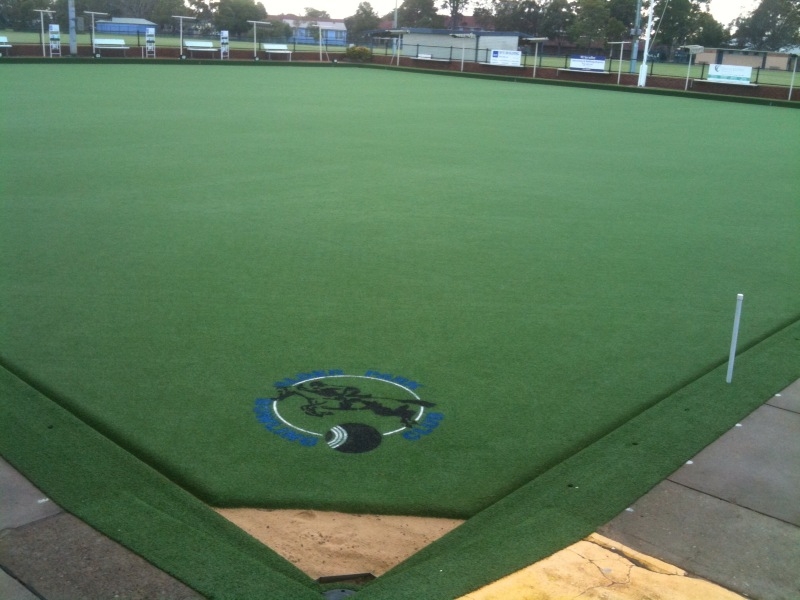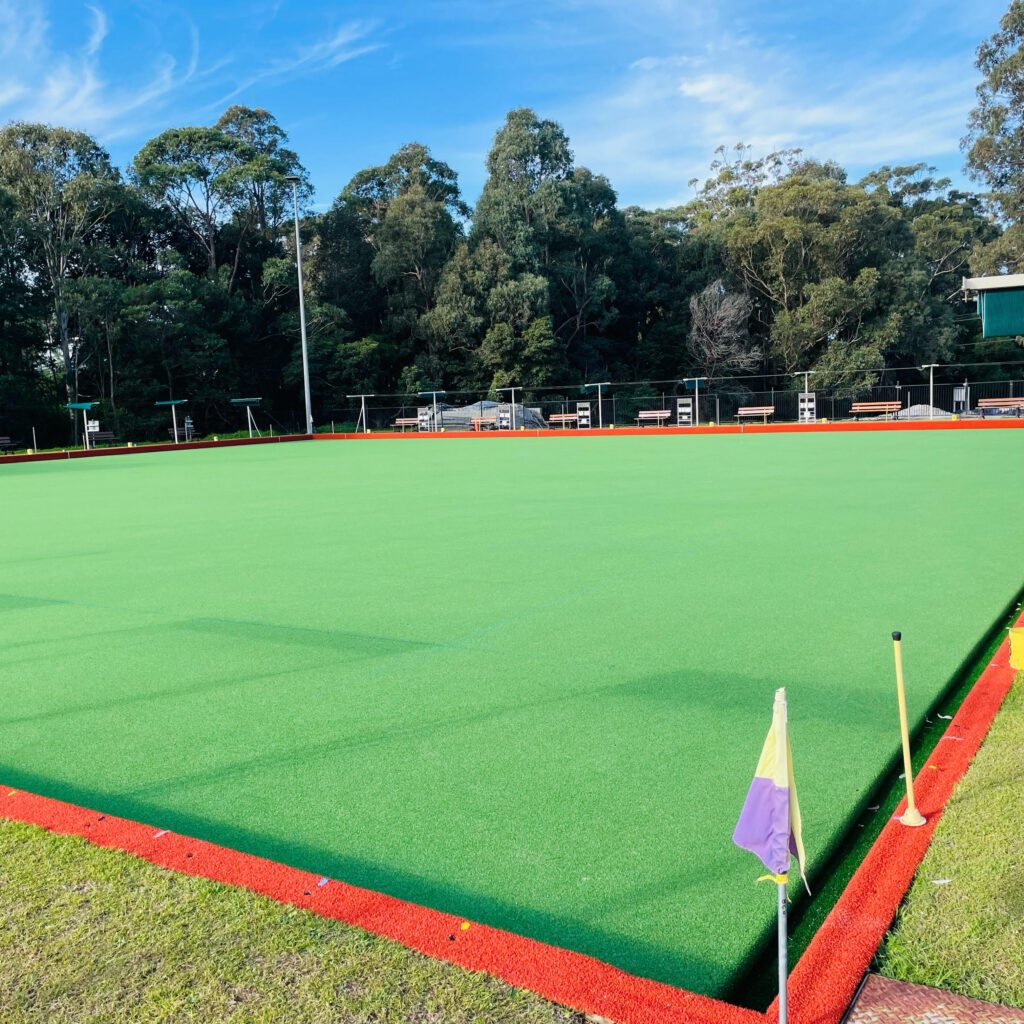

When members step onto a synthetic bowling green, they see a smooth, consistent playing surface. What they don’t see is the most important part of the entire installation — the drainage system underneath.
For bowling clubs across Australia, sub-surface drainage isn’t just a construction detail. It’s what determines whether your green stays playable after heavy rain, remains stable over time, and protects your investment for decades.
And with increasingly wild weather events across the country, getting this right has never been more important.

Why Drainage Matters (Even for Synthetic Greens)
It’s easy to assume synthetic turf doesn’t need much water management. After all, there’s no grass to irrigate.
But every green is still exposed to:
-
Heavy rainfall
-
Stormwater runoff
-
Groundwater movement
-
Irrigation overspray from surrounding areas
If that water can’t move away efficiently, it builds up beneath the surface. Over time this can cause soft spots, uneven areas, slower bowl roll, and even structural movement in the base. Repairs at that point are expensive and disruptive.
For a club committee, this becomes more than a maintenance issue — it becomes a financial risk.
How SSG Builds Greens to Handle Australian Conditions
At Synthetic Sports Group (SSG), drainage is engineered into the green from day one. It’s not simply “gravel under turf.” It’s a carefully designed hydraulic system that controls where water goes and how fast it moves.
First, the base is constructed with precise fall so water naturally flows away using gravity. These gradients are calculated to ensure consistent drainage performance during heavy rain.
Next, the green is built in layers. A compacted foundation sits beneath geotextile membranes that prevent materials mixing. Above that, free-draining crushed aggregate allows water to move vertically and laterally without destabilising the base. A final laser-levelled sand layer ensures the surface meets World Bowls tolerances.
Underneath it all sits a structured network of slotted drainage pipes. These pipes collect water and direct it safely to stormwater systems or approved discharge points. The spacing and layout are designed based on rainfall intensity — not guesswork — ensuring the system can remove more water than peak storms deliver.

The result is simple: water passes through, but the structure stays firm and stable.
Why This Is So Important Across Australia
Across the country, we are seeing more intense rainfall events and shorter, heavier storms. Greens that were built decades ago often weren’t designed for these conditions.
A properly engineered drainage system means:
-
Faster recovery after rain
-
Consistent green speed
-
Reduced risk of settlement
-
Longer asset lifespan
Most importantly, it keeps clubs operational. Less downtime means fewer cancelled events, better member satisfaction, and protected revenue.
What This Means for Your Club
Sub-surface drainage is invisible — but it determines how your green performs for the next 15 to 20 years.
When designed properly, it protects:
-
The synthetic turf backing
-
Shock pad layers
-
The aggregate base
-
The structural integrity of the entire green
In simple terms: the surface is what members see. The drainage system is what protects your investment.
If your club is considering a new synthetic green — or reviewing the performance of an existing one — now is the time to look beneath the surface. Speak to the Synthetic Sports Group team today to discuss how we design bowling greens built for Australian conditions — stable, consistent, and ready for whatever the weather brings.