
TL;DR:
-
An acrylic (hard) tennis court typically lasts around 10 years before it needs resurfacing — with normal use and proper maintenance.
-
A commercial synthetic grass court usually lasts 12–15 years.
-
A domestic synthetic grass court can last 20 years or more, thanks to lighter use.
-
Regular cleaning, drainage, and small repairs make a big difference to lifespan.
If you’re considering resurfacing your tennis court — or you’ve recently had it done — one of the first questions you’ll ask is:
“How long will this last?”
The answer depends on the type of surface, how often the court is used, and how well it’s maintained.
Let’s break it down in simple terms.
Acrylic (Hard) Tennis Courts – Around 10 Years
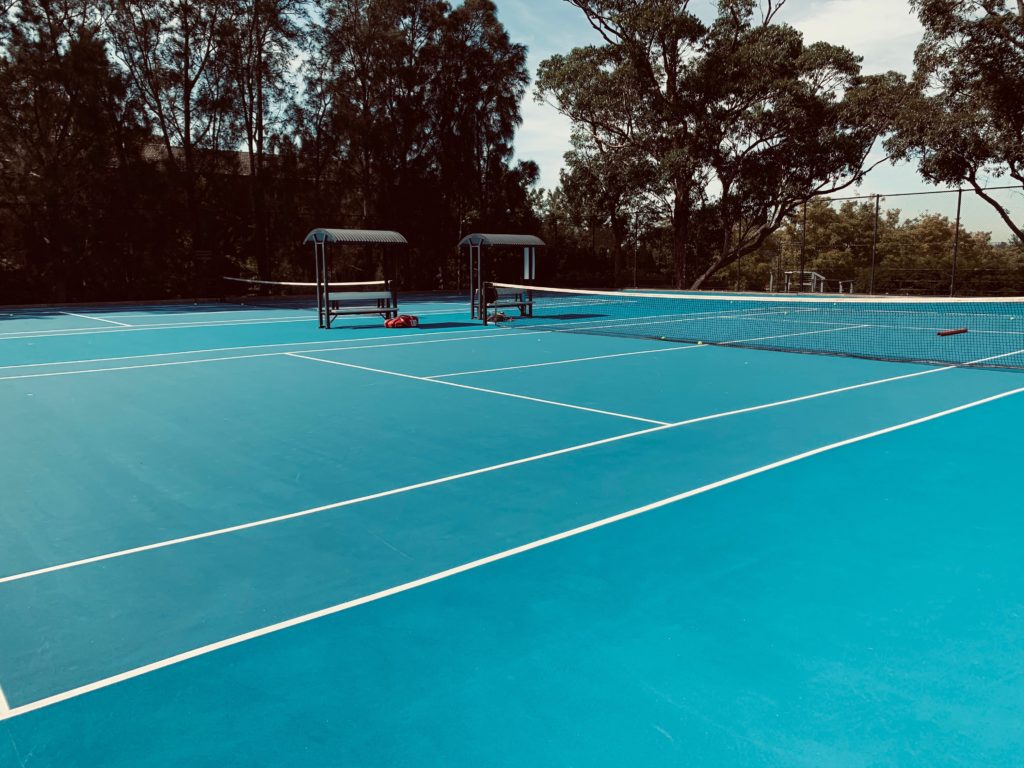
Acrylic courts (often called hard courts) are one of the most common tennis surfaces in Australia. They provide a consistent bounce, bright colour, and professional playing feel.
With normal use and proper maintenance, an acrylic court will usually last around 10 years before it needs resurfacing again.
Over time, UV exposure, foot traffic, and general wear start to break down the surface coatings. You might notice:
-
Fading colour
-
Surface becoming slippery
-
Small cracks appearing
-
Reduced ball bounce consistency
Resurfacing at the right time prevents larger structural issues underneath. If small cracks are ignored for too long, water can get into the base and cause bigger problems.
The key takeaway:
Acrylic courts are durable — but they need attention before they deteriorate too far.
Commercial Synthetic Grass Courts – 12 to 15 Years
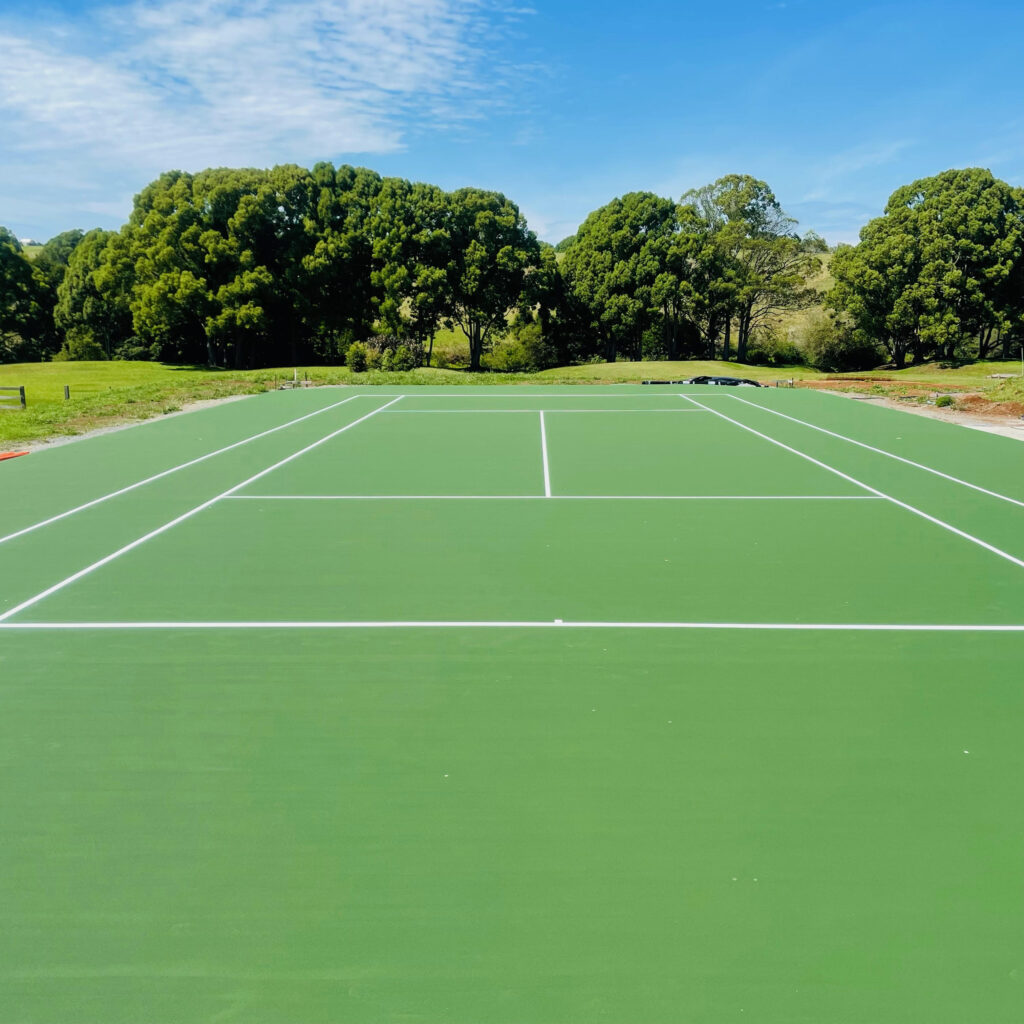
Synthetic grass courts are popular in clubs, schools, and multi-use facilities because they’re lower impact and require less frequent resurfacing than acrylic.
In a commercial setting, where courts are used heavily and consistently, synthetic grass typically lasts 12 to 15 years.
Heavy use means more foot traffic, more brushing, and more wear in high-play areas (like the baseline). Over time, the fibres flatten and infill levels reduce, affecting play performance.
Good maintenance — including brushing, topping up infill, and keeping drainage clear — can help push the lifespan toward the upper end of that range.
Domestic Synthetic Grass Courts – 20+ Years
Here’s where it gets interesting.
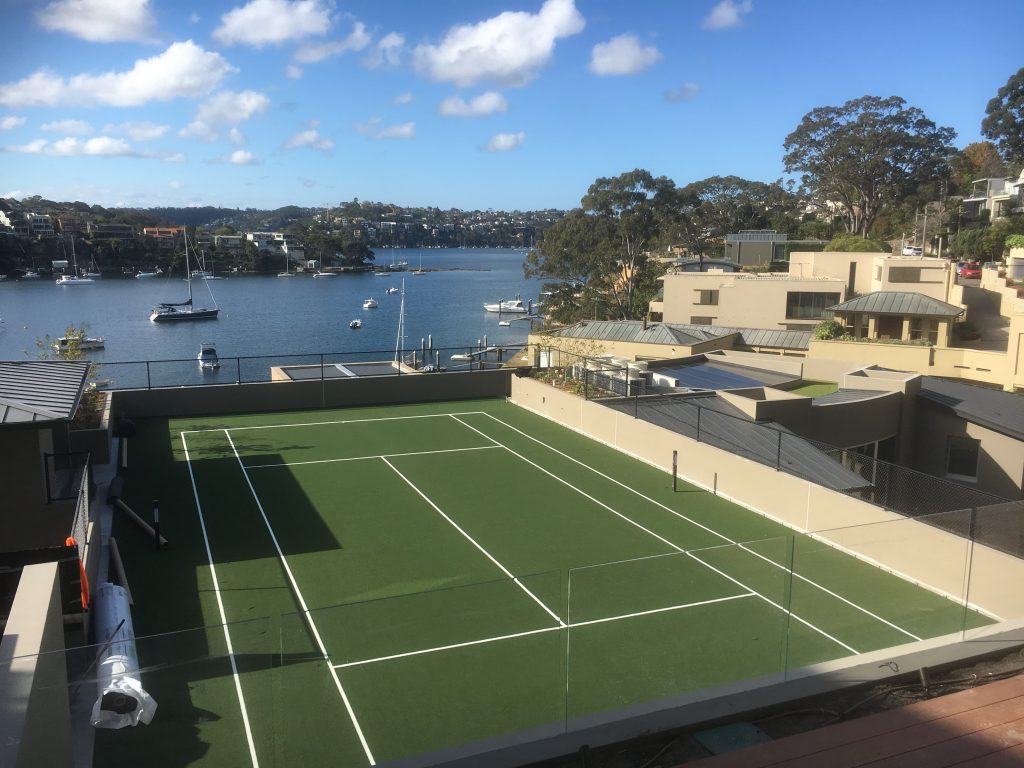
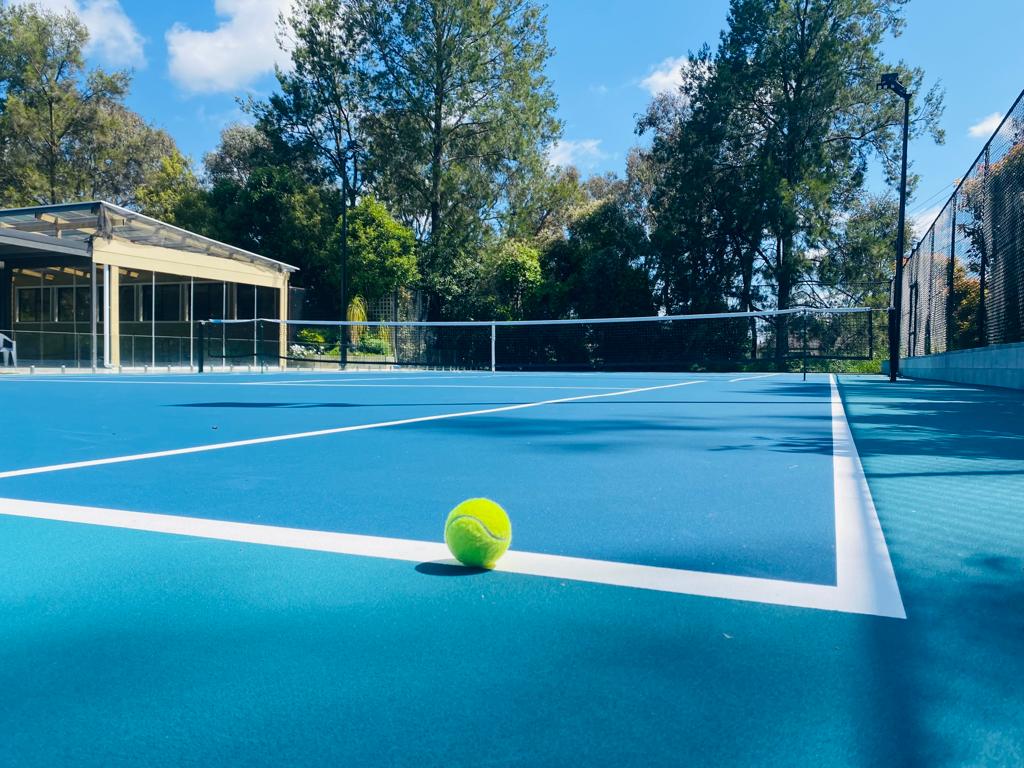
For home tennis courts, synthetic grass can last 20 years or more.
Why? Simply because they’re used less. A family court might only see weekend games and casual hits, rather than daily club competition and coaching sessions.
With lighter use and basic upkeep, domestic courts can perform well for decades before needing replacement.
What Impacts Lifespan the Most?
Regardless of surface type, three main factors determine how long your resurfaced court will last:
-
Usage – More players = more wear.
-
Maintenance – Regular cleaning and inspections prevent bigger issues.
-
Drainage – Proper sub-surface drainage protects the structure from water damage.
Across Australia, we’re seeing more intense rain events and harsher UV conditions. That makes proper installation and drainage more important than ever. A well-built foundation protects your investment long-term.
The Bottom Line
A resurfaced tennis court isn’t just a cosmetic upgrade — it’s a long-term investment.
-
Expect around 10 years from an acrylic court.
-
Expect 12–15 years from a commercial synthetic grass court.
-
Expect 20+ years from a domestic synthetic grass court.
With the right care and timely resurfacing, your court can stay safe, playable, and looking great for many years to come.
If you’re unsure about the condition of your court, it’s always worth getting a professional assessment before small issues turn into major repairs.